Ecology and Evolution of Loxosceles surca

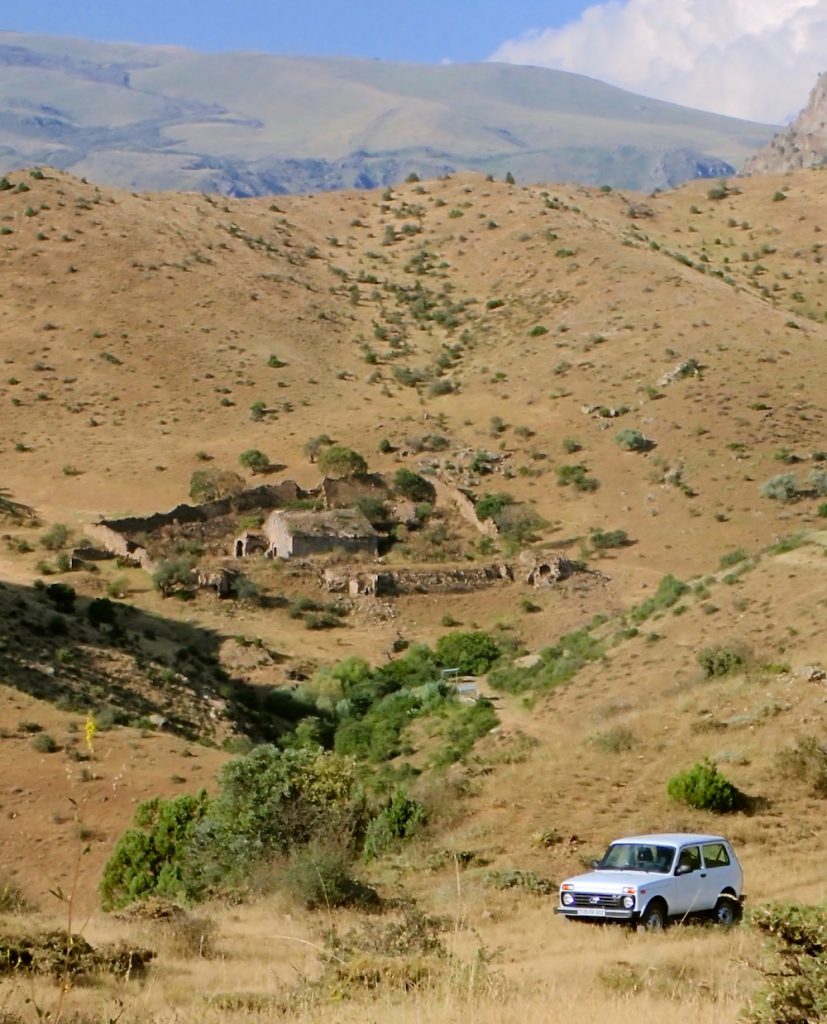
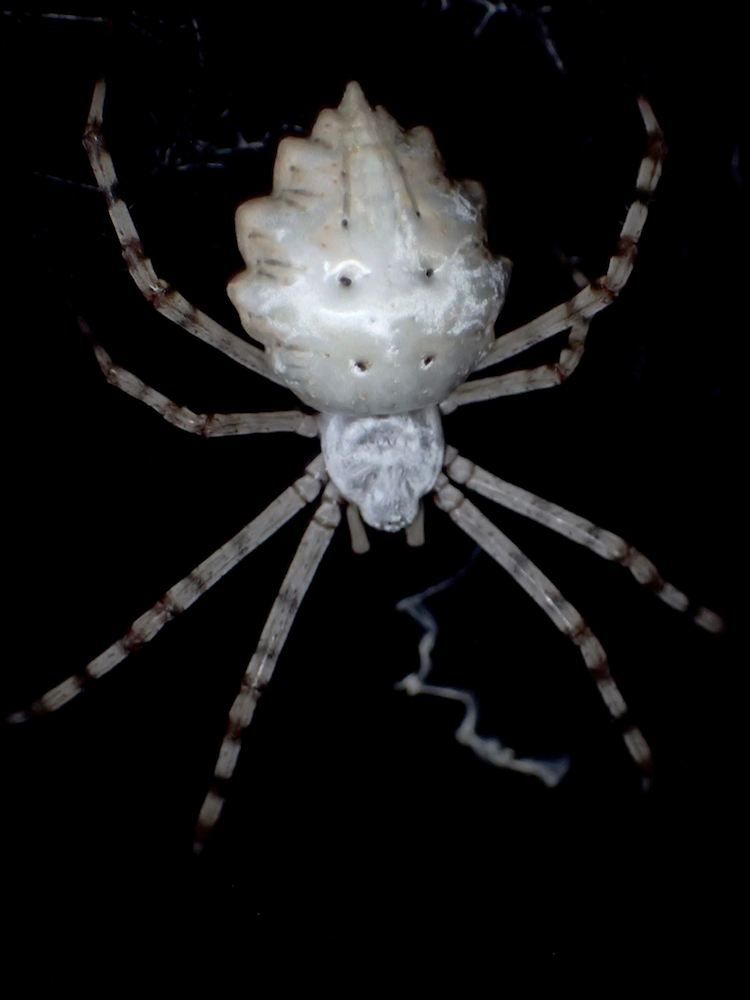
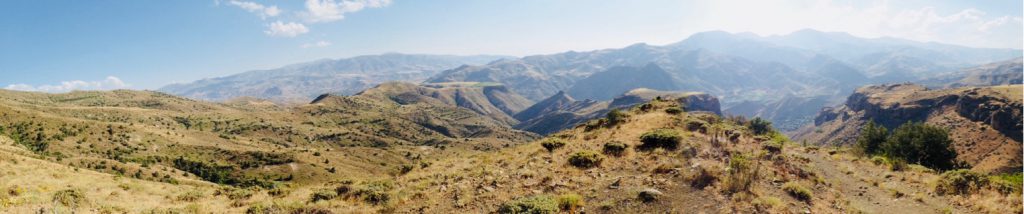
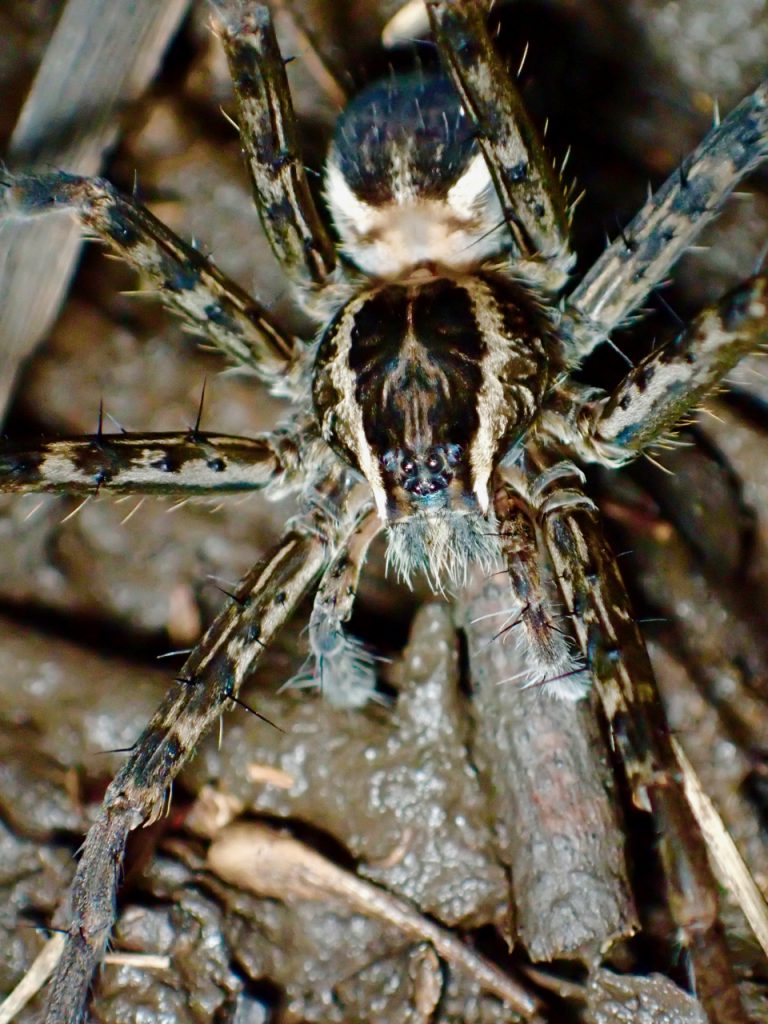
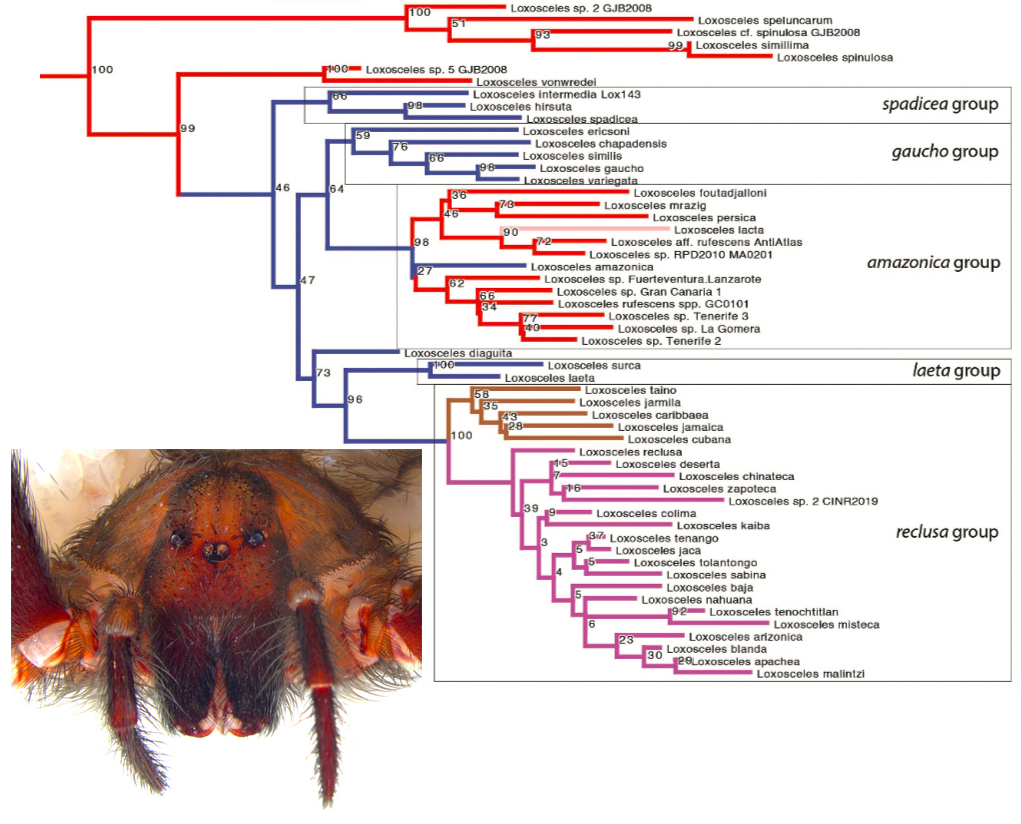
We are happy to report on the ecology and evolution of Loxosceles surca, a close relative to its sister species, L. laeta. Unlike the “tramp” sister species that associates with human habitations, L. surca lives in harsh, dry, and elevated natural habitats in northern Chile. The specimen pictured here was collected at an elevation of over 3,500 meters. We speculate on the ecological prerequisites that allow for adapting to live in human habitations.
Gondwanan Origin of Tarantulas

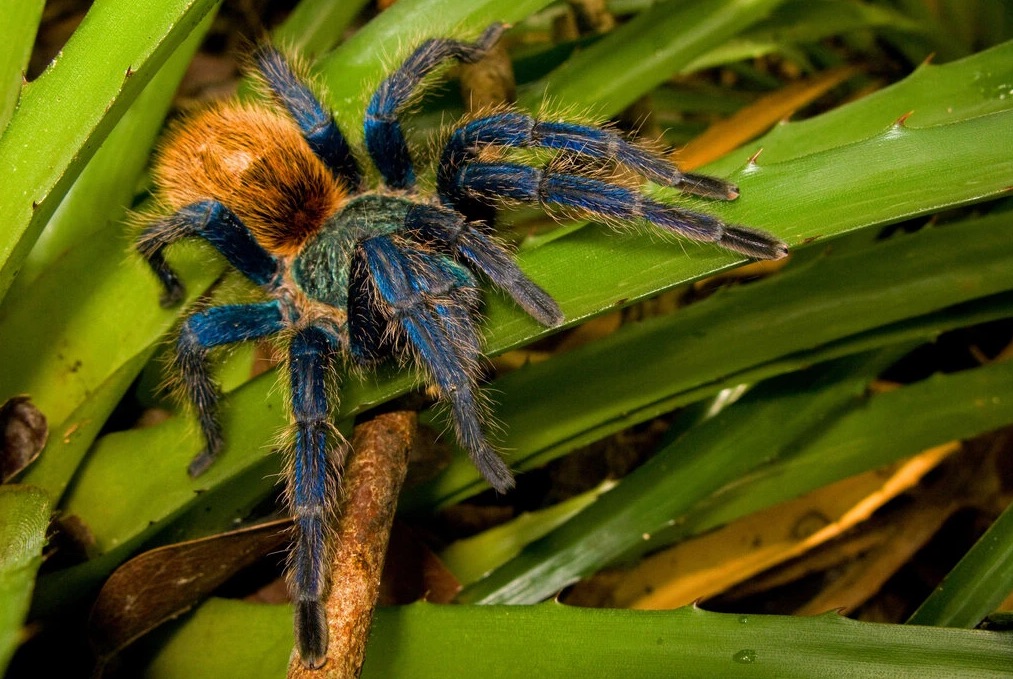
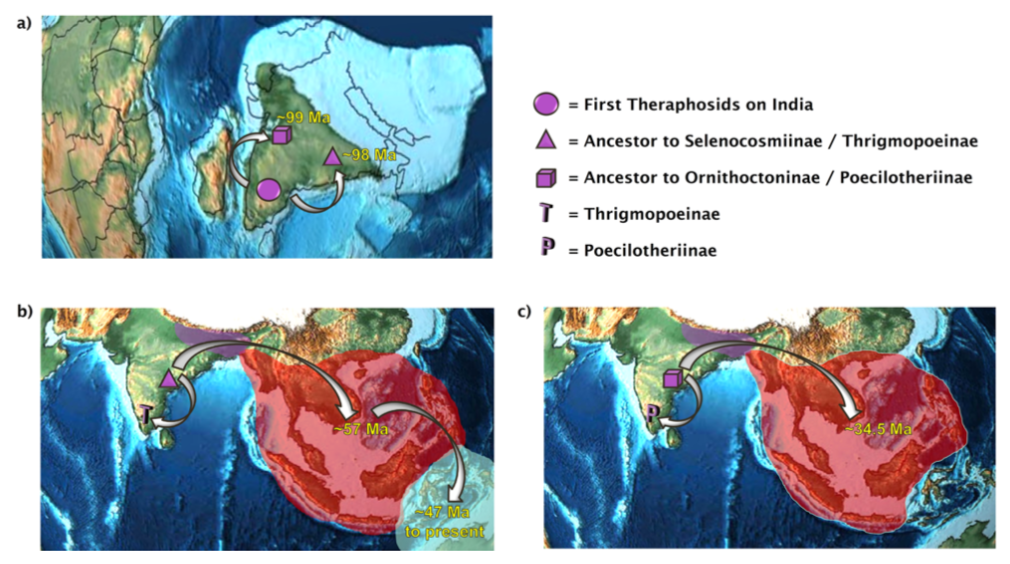
Great to see that Saoirse Foley’s thesis chapter on the biogeography of tarantulas has been published (here). This work confirms their Gondwanan origins and, interestingly, demonstrates that at least one lineage of likely arboreal tarantulas and a separate lineage of likely fossorial tarantulas rafted on the Indian subcontinent from Africa to Asia.

Collecting in the Atacama Desert

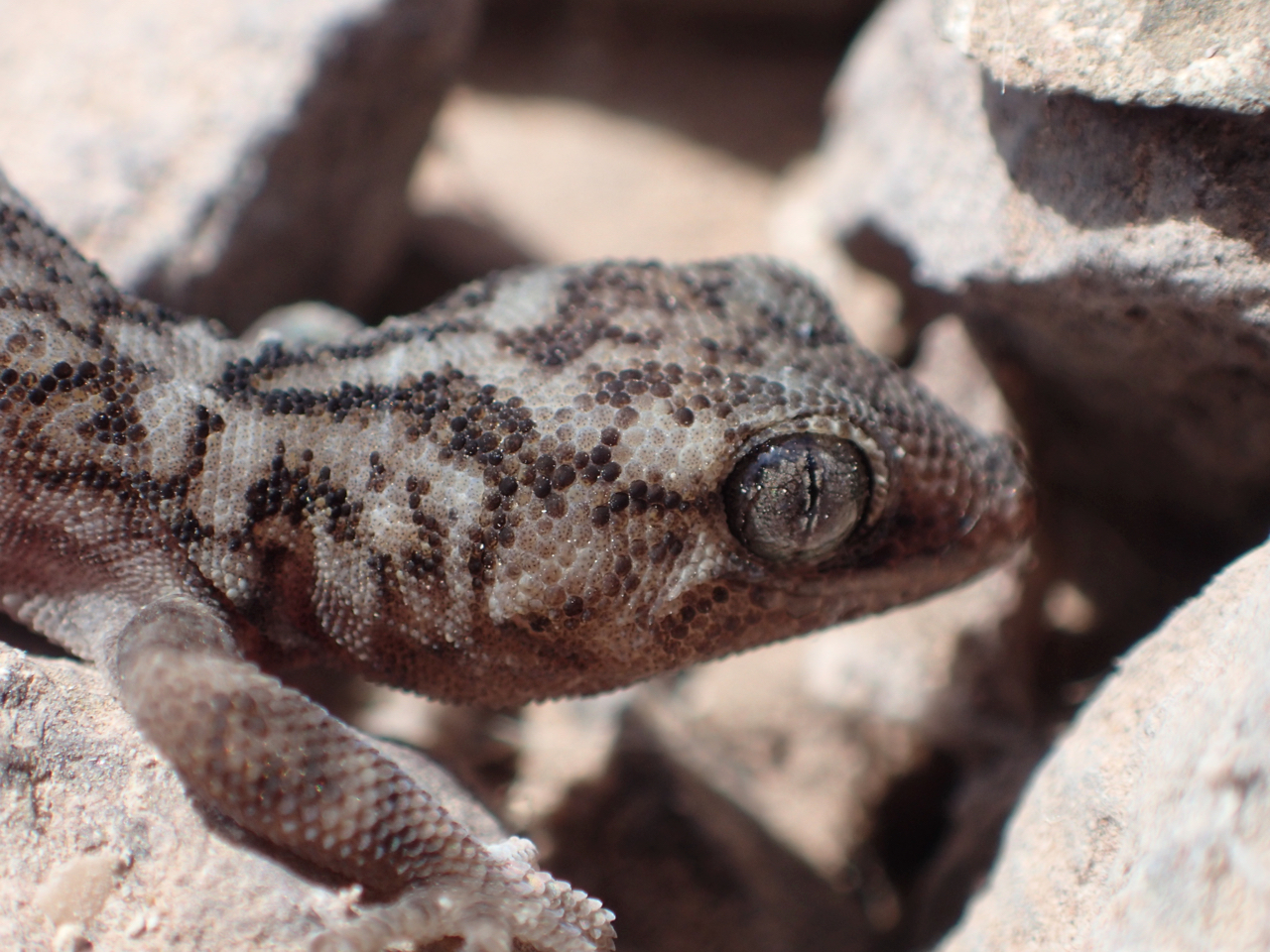
In January, before COVID19 went global, I enjoyed a brief collecting trip with Andrés Taucare-Ríos. Of note, we discovered a Sicarius six-eyed sand spider preying on a gecko — an observation that has now appeared in the Revista de la Sociedad Entomológica Argentina. This observation is significant given the dominant abundance and potential competition between these two predators in Atacama.

Tarantula Phylogenomics

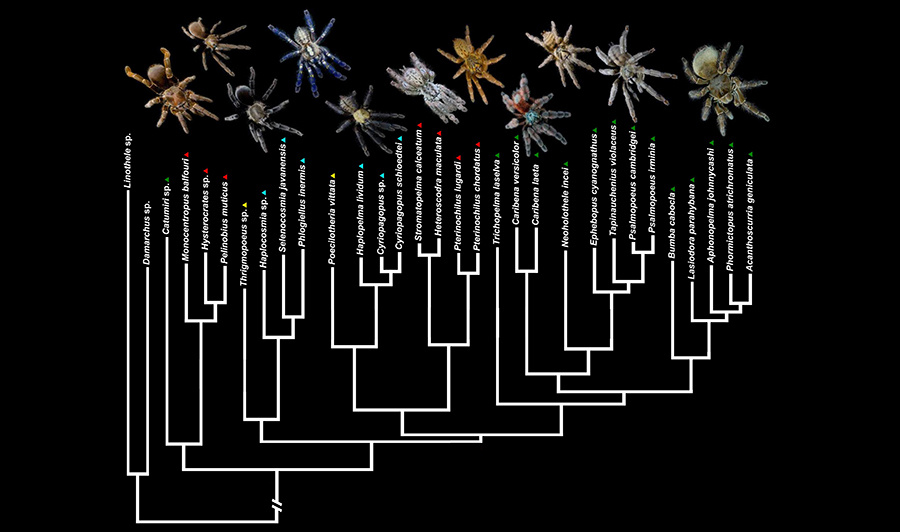
We are pleased to see that Saoirse Foley’s thesis chapter on the phylogeny of tarantulas is now published in Molecular Phylogenetics and Evolution. Our phylogeny recovers a monophyletic group of New World theraphosid subfamilies, including Aviculariinae, Schismatothelinae and Theraphosinae, as well as good support for what previously were questionable subfamilies, such as Poecilotheriinae and Psalmopoeinae.

Thanks to Martin Hüsser for the following interesting commentary: